
How To Store Fresh Fish
Great fish deserves great care. Buy the finest, freshest fish in London and store it carelessly, and you’ll lose in an afternoon what took a dawn trip to Billingsgate to secure. Store it properly, and you preserve every bit of the flavour, texture and goodness you paid for — and keep your kitchen safe.
This is the complete guide, written the way a working fishmonger would tell it: how to store fresh fish in the fridge, exactly how long each fish keeps, how to freeze and defrost it properly, how to spot when it’s past its best, and the mistakes to avoid. At House O Fish we hand-select every fish at Billingsgate Market before dawn and prepare each order by hand — so we know precisely how to keep fish at its finest.
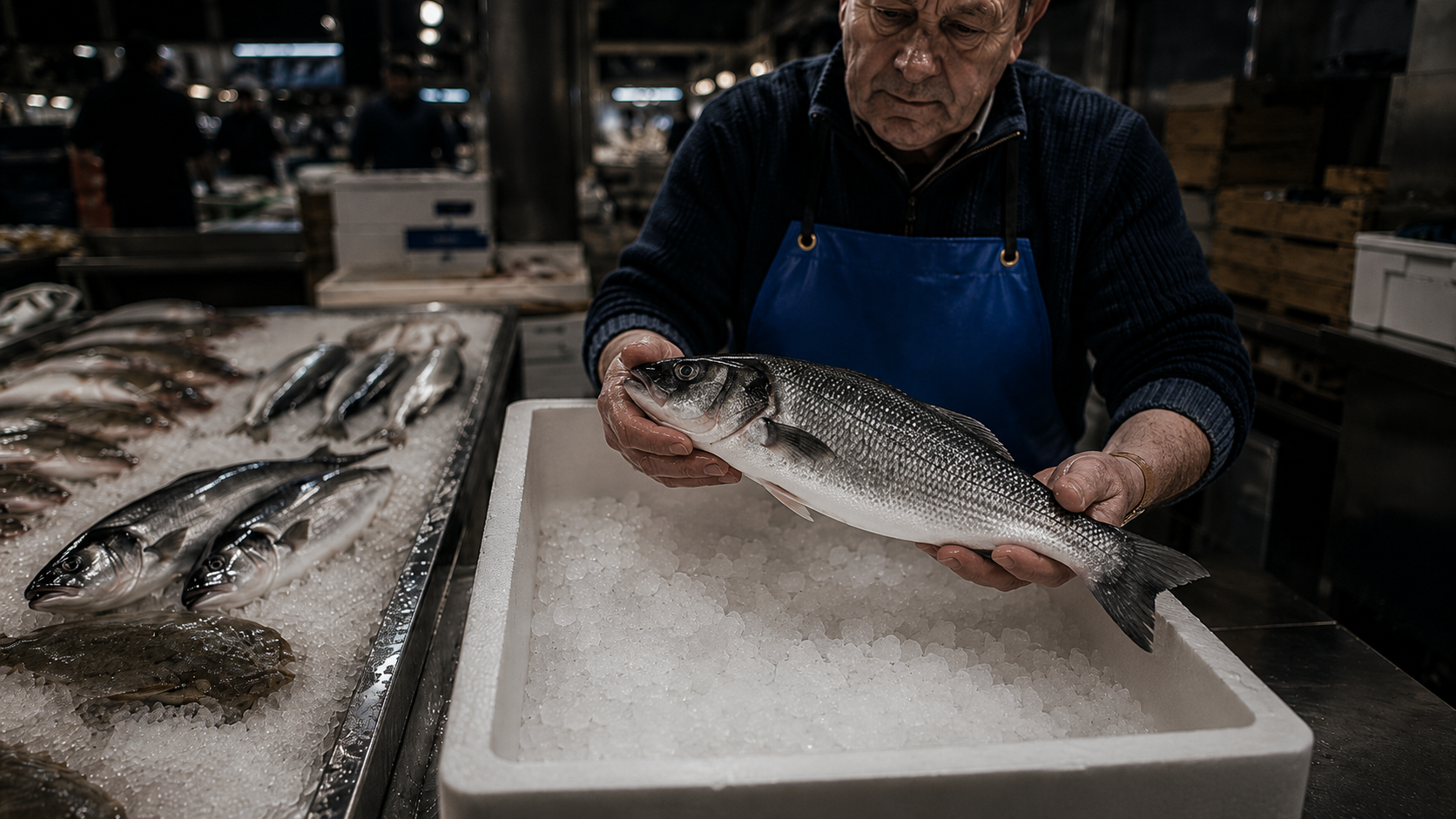
The Golden Rule
If you remember nothing else, remember this: refrigerate fresh fish immediately, and eat it within one to two days. Fish is one of the most perishable foods in your kitchen — far more delicate than meat — and it’s at its absolute best in the first day or two after it’s caught and prepared.
Everything else in this guide flows from that single principle. Keep it cold, keep it dry, keep it clean, and cook it soon. Do those four things and your fish will reward you. The fresher it was when you bought it, the more forgiving that window — which is exactly why hand-selected, market-fresh fish matters so much.
Four principles
Every storage rule that follows comes back to these.
Everyday storage
How To Store Fresh Fish In The Fridge
The fridge is where most fish is kept, and getting it right is simple once you know how a fishmonger does it. Aim for a fridge temperature of 0–4°C — the colder end is better for fish.
Store cold, straight away
The single most important step. The moment your fish is home, get it into the coldest part of the fridge. Every minute at room temperature shortens its life — fish is far more perishable than meat, and warmth is its enemy.
Keep it in its wrapping
Leave fish in the paper or packaging it came in unless it’s sitting in liquid. Our fish is wrapped to breathe and stay dry; disturbing it less means handling it less, which keeps it fresher and cleaner.
Store it on ice
The professional’s secret: sit your fish on a bed of ice in a container, with a second container or tray beneath to catch the melt. Ice holds fish at its ideal temperature far more reliably than the fridge air alone.
Use the bottom shelf
The bottom shelf is the coldest part of most fridges and, crucially, sits below everything else — so nothing can drip onto other food. It’s where every fishmonger would tell you to keep your fish.
Never let it get wet & sit
Keep fish dry. Pat it with kitchen paper if needed and pour off any liquid that collects. Fish left sitting in its own moisture spoils faster — dryness is freshness.
Avoid cross-contamination
Always store fish sealed and separate from ready-to-eat food, and never beside or below raw meat. Keep a dedicated board and knife for fish, and wash hands and surfaces after handling.
Professional Fishmonger Tip
Here’s what we do that most people never think of: store your fish on ice, inside the fridge. Sit the wrapped fish in a container over a bed of ice, set that inside a second container to catch the meltwater, and keep it on the bottom shelf. The ice holds the fish at a steady, near-freezing temperature — colder and more consistent than fridge air alone — and buys you the freshest possible extra day. It’s exactly how fish is kept on a market slab, and it works just as well at home.
Know your window
How Long Different Fish Last
Not all fish keep for the same time. As a rule, lean white fish and firm flatfish last a little longer, while small oily fish are best enjoyed the day they arrive. These are approximate guides for well-handled fish kept cold on ice.
| Fish | Approx. fridge life | Notes |
|---|---|---|
| Sea Bass (Levrek) | 1–2 days | Lean white fish — best enjoyed within a day or two. |
| Sea Bream (Çipura) | 1–2 days | Firm and forgiving, but at its finest fresh. |
| Salmon (Somon) | 1–2 days | Oily fish; eat promptly or freeze on the day. |
| Anchovies (Hamsi) | 1 day | Small oily fish — best cooked the same day. |
| Sardines (Sardalya) | 1 day | Very perishable; enjoy the day of delivery. |
| Bluefish (Lüfer) | 1 day | Rich and oily; cook the same day for best flavour. |
| Turbot (Kalkan) | 2–3 days | Firm flatfish that keeps a little longer. |
| Horse Mackerel (İstavrit) | 1 day | Oily and best eaten fresh, the same day. |
| Atlantic Bonito (Palamut) | 1–2 days | Meaty tuna-family fish; enjoy within a day or two. |
| Red Mullet (Barbun) | 1–2 days | Delicate and prized — best cooked promptly. |
Times assume genuinely fresh fish, kept at 0–4°C on ice. If you won’t reach the fish in time, freeze it on the day it arrives. Not sure how fresh a fish is to begin with? Our guide on how to choose fresh fish shows you exactly what to look for.
For the longer term
Can You Freeze Fresh Fish?
Yes — freezing is a brilliant way to keep fish, provided you do it right and, crucially, do it while the fish is still at its freshest. Here’s how to freeze fish so it’s a genuine pleasure to cook later, not a disappointment.
When to freeze
If you won’t cook your fish within a day or two, freeze it on the day it arrives — while it’s still at its freshest. Freezing a fish that’s already a few days old only locks in fish that’s past its best.
The best packaging
Wrap each piece tightly to exclude air — a double layer of cling film then foil, or a freezer bag with the air pressed out. Air is what causes freezer burn, so the tighter the wrap, the better.
Vacuum sealing
If you have a vacuum sealer, it’s the gold standard — it removes air completely, preventing freezer burn and preserving texture and flavour far longer than ordinary wrapping.
Avoiding freezer burn
Those dry, greyish patches are freezer burn, caused by air reaching the flesh. It won’t harm you but it ruins texture. Tight, airtight packaging and a quick freeze are the way to avoid it.
Recommended freezing times
For best quality, use frozen white fish within about three months and oily fish like salmon, mackerel and sardines within about two — their natural oils shorten their freezer life. Label everything with the date.
Freeze it quickly
Set your freezer to its coldest setting and spread pieces out so they freeze fast. A quick freeze forms smaller ice crystals, which protects the delicate texture of the flesh.
Bringing it back
How To Defrost Fish Properly
How you thaw fish matters as much as how you froze it. Get it wrong and you undo all your good work; get it right and frozen fish cooks up beautifully. There are only two safe methods — and two to never use.
Overnight in the fridge
The best method by far. Move the fish from freezer to fridge and let it thaw slowly overnight on a plate or in a container to catch drips. Gentle, even and safe — and it keeps the texture intact.
The cold-water method
In a hurry? Seal the fish in a leak-proof bag and submerge it in a bowl of cold water, changing the water every 20–30 minutes. It thaws in an hour or two while staying safely cold.
Never use warm or hot water
Warm water may thaw the surface fast, but it pushes the outer flesh into the danger zone where bacteria multiply while the middle is still frozen. It also turns the texture mushy. Cold water only.
Never thaw at room temperature
Leaving fish on the counter to defrost is the classic mistake. The outside warms long before the inside thaws, inviting bacteria. Always thaw cold — in the fridge or in cold water — never on the worktop.
Trust your senses
Signs Fresh Fish Has Gone Bad
When in doubt, throw it out — but these are the signs that tell you clearly. Fresh fish speaks plainly if you know what to look, feel and smell for.
Smell
Fresh fish smells clean, briny, of the sea. A strong “fishy”, sour or ammonia-like smell is the clearest sign it’s gone — trust your nose above all else.
Texture
Fresh flesh is firm and springs back when pressed. If it feels soft, mushy or leaves a dent that stays, the fish has broken down and should not be eaten.
Eyes
On a whole fish, fresh eyes are bright, clear and slightly bulging. Cloudy, grey, sunken eyes mean the fish is old and past use.
Skin
Fresh skin is shiny and taut with vivid markings. Dull, faded skin that looks dry or loose is a sign the fish is no longer good.
Colour
Look for bright, natural colour and red gills on whole fish. Browning around the edges, greying flesh or dull, discoloured gills all point to spoilage.
Slime
A thin, clear natural sheen is fine. A thick, sticky, cloudy or yellowing slime is bacterial growth — a clear sign to throw the fish away.
Learn from the pros
Common Storage Mistakes
Almost every case of fish spoiling early comes down to one of these. Avoid them and you’ll get the very best from every order.
Leaving fish on the counter
Even 30 minutes at room temperature shortens fish’s life and invites bacteria. Refrigerate the moment you’re home.
Storing beside raw meat
Never keep fish next to or below raw meat — cross-contamination is a real risk. Fish goes on the bottom shelf, sealed and separate.
A fridge that’s too warm
A fridge above 5°C is too warm for fish. Aim for 0–4°C, and use a fridge thermometer if you’re unsure — it’s the cheapest freshness insurance there is.
Keeping it too long
“It looks fine” isn’t worth the risk. Respect the one-to-two-day window for fresh fish, or freeze it in time.
Refreezing thawed fish
Never refreeze fish that has already been defrosted — it degrades the texture badly and raises safety risks. Thaw only what you’ll cook.
Washing then storing wet
Washing fish and returning it to the fridge wet makes it spoil faster. Pat it dry; store it dry. Any rinsing is best done just before cooking.
How House O Fish Keeps Fish Fresh
Proper storage starts long before the fish reaches your fridge — it starts at the market. Every Saturday before dawn, we’re on the floor at Billingsgate Market, choosing fish by hand while it’s at its absolute freshest. We inspect each one individually, buy only what meets our standard, and reject anything that doesn’t.
Back from the market, every order is prepared by hand — scaled, gutted, filleted, pin-boned or scored exactly as you ask — never mass-packed on a production line. It’s then cold-packed and delivered fresh across London the same week, so the fish that passed our inspection at dawn is the fish that reaches your kitchen. Read more about our Billingsgate fish delivery, or browse the online fish shop.
Fresh from our hands to yours
The freshness you store at home is only as good as the fish you start with.
Put it to use: explore the best fish for BBQ, the best fish for omega-3, or the best fish for children.
Good to know
Frequently Asked Questions
Most fresh fish is best eaten within one to two days of purchase, kept at 0–4°C on the coldest shelf, ideally on ice. Very oily fish like sardines and anchovies are best cooked the same day, while firm flatfish like turbot can keep two to three days.
Kept properly cold, fresh fish lasts one to two days at its best. The clock starts from when it was caught and handled, not just when you bought it — which is why buying genuinely fresh, hand-selected fish gives you the most time.
Yes — and the key is to freeze it on the day it’s at its freshest, not after it has sat in the fridge for days. Wrap it airtight to prevent freezer burn, and use white fish within about three months and oily fish within about two.
No. Refreezing thawed fish badly damages its texture and increases food-safety risks. Only thaw the amount you intend to cook, and cook it once thawed.
No — washing fish then storing it wet makes it spoil faster, and can splash bacteria around your kitchen. Keep it dry in the fridge and rinse only if needed just before cooking.
If it’s dry and not sitting in liquid, yes for a short time — but many supermarket packs trap moisture. For best results, pat the fish dry and store it on ice in a container on the bottom shelf. Our fish is wrapped to stay fresh and can be stored as delivered.
A shallow container with fish sitting on ice, and a tray beneath to catch the melt, is ideal — it holds the fish at its coldest. A sealed container also prevents odours and cross-contamination. Keep it on the bottom shelf.
For most fresh fish, three days is pushing it — one to two days is the safe, high-quality window. If you can’t use it in time, freeze it on the day of purchase instead. When in doubt, don’t risk it.
No. Genuinely fresh fish smells clean and of the sea, not strongly “fishy”. A sharp, sour or ammonia-like smell means the fish has spoiled and should not be eaten.
Whole fish keeps slightly better, as the skin and bones protect the flesh — store it gutted, dry and on ice. Fillets are more exposed, so keep them sealed, dry and cold, and cook them a little sooner. We’ll prepare either exactly as you like.
Start with the freshest fish
Order Fresh Fish, Stored To Perfection
The best way to store fresh fish is to start with fish that’s genuinely fresh. Ours is hand-selected at Billingsgate before dawn, prepared by hand and delivered across London — so it reaches you at its very best. Join our WhatsApp community to see this week’s catch and order in a couple of messages.
Read next: How to Choose Fresh Fish · Online Fish Shop London · Billingsgate Fish Delivery · Fresh Sea Bass · Fresh Salmon · Fresh Sardines